GoMechanic





Want a premium and stylish look for your car, but don‘t know how can you do that?
Diamond-cut alloy wheels are here as your knight in shining armor. Don’t know what that is? Well worry not, in blog we will learn about the following:
- What is that?
- How are they produced?
- How can you maintain them?
- Pros and Cons
- Brands that use them.
- Diamond Cut Alloy Wheel Vs Standard Alloy Wheel.
What is that?
‘Diamond cut’ is essentially a type of finish given to an alloy wheel. This finishing is much more aesthetic and better looking than any standard alloys.
To make a Diamond Cut Alloy Wheel, a thin layer is removed by a CNC lathe, due to which it shines a lot more than an ordinary alloy wheel. In comparison, the outer side of the alloy shines like a diamond, and the inner layer of the alloy wheel is painted or coated to match with the outer layer.
In summation, the next time you see shiny wheels with a two-tone finish, you are looking at a car with diamond-cut alloys.
How are Diamond Cut Alloy Wheels Produced?
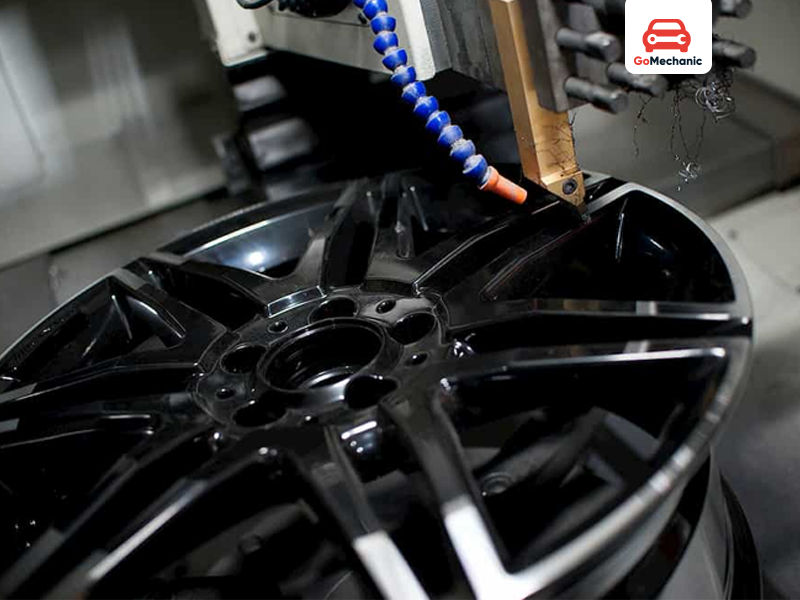
Cleaning the wheel to get rid of any dirt is the first step. After the wheels are on top of it, they are chopped and shaped using a CNC, or computer numerical control lathe.
A tiny layer is then removed from the wheel’s surface by applying a diamond-shaped cutting tool.
The inside portions of the wheel are painted to match the outer layer when the diamond-cutting procedure is finished.
Car Brands Using a Diamond Cut Alloy Wheel
- BMW
- Audi
- Mercedes Benz
- Porsche
- Jaguar
- Land Rover
- Ford
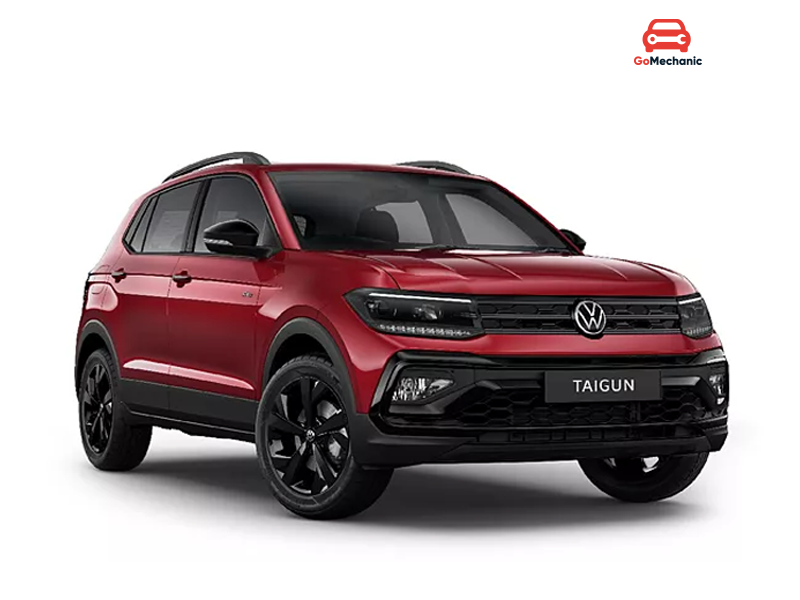
- Volkswagen
Why Do These Brands Prefer Diamond Cut Alloy Wheels?
- Car owners can change the inner alloy of the car according to their preference. Making it personalized.
- It can increase the resale value of a vehicle, as they are highly desirable among used
car buyers.
- They are safer since they don’t let the brakes fail as they help dissipate heat more effectively than regular alloy wheels.
- It gives a luxurious impression to your car. It adds a touch of dignity and style to any vehicle, instantly enhancing its visual appeal.
Cons of Diamond Cut Alloy Wheel

- The glossy finish of Diamond Cut Alloy Wheels makes it easier to get damaged, especially if you hit a curb or something.
- It costs more than a regular wheel due to its complex process and high-quality finish. They are great but not suitable for everyone.
- Fixing a Diamond Cut Alloy wheel isn’t easy and cheap. It takes special equipment to re-polish it again, making it more expensive than a standard alloy.
- They are not made for rough roads, as they can easily get damaged and it costs a lot of money to repair.
How to Maintain Diamond Cut Alloy Wheel
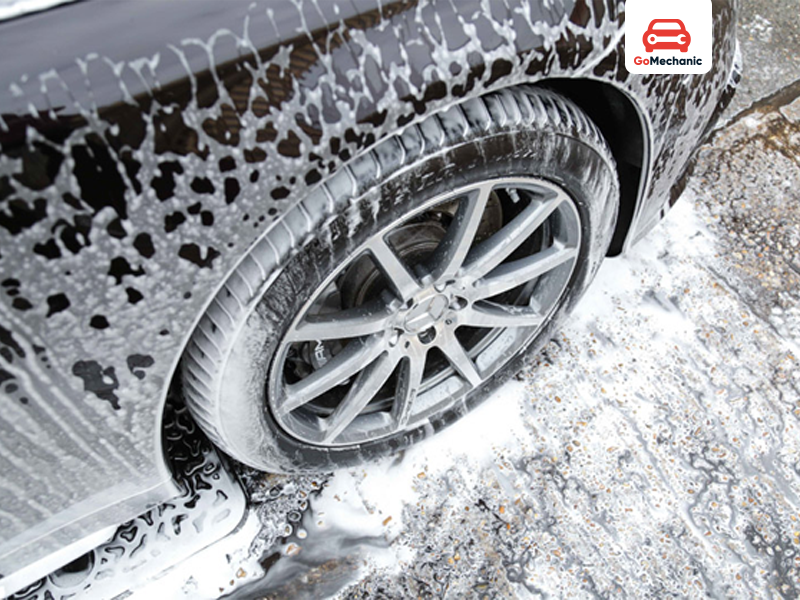
- Avoid hitting curbs or rough surfaces, as this can cause damage to the delicate surface of the wheels.
- Use mild detergent and water to remove – dirt, brake dust, and road debris, while cleaning.
- Applying a protective wheel wax or sealant can help preserve the diamond cut finish and shield it from environmental elements.
- A sponge should be used to prevent scratches on the polished surface.
Cost of Diamond Cut Alloy Wheels
While the actual cost depends on the wheel size and design, it can cost anywhere between 8K to 40k. The price keeps going higher with the wheel size and more intricate designs. Different car manufacturers also carry varying costs. For example, a Maruti Suzuki diamond cut alloy wheel costs between 8K to 10K. On the other hand, the Mercedes Benz diamond cut alloy wheel comes with a price tag in the 20 – 40k range. Additionally, the prices also differ with the car models.
You might find this interesting – RPM Full Form and Meaning Explained: Everything you need to know
Comparison between Standard Alloy Wheel & Diamond Cut Alloy Wheel

| Aspect | Diamond Cut Alloy Wheels | Standard Alloy Wheels |
| Aesthetics | Stunning and eye-catching appearance. | Stylish but lacks the intricate, diamond-like finish. |
| Performance | Lighter weight contributes to improved performance. | Also lightweight but may not dissipate heat as effectively. |
| Maintenance | Requires specific care and maintenance to preserve the finish. | Easier to maintain, with a less delicate finish. |
| Durability | Highly resistant to corrosion when well-maintained. | Durable but may show signs of wear over time. |
| Cost | Generally more expensive due to the intricate manufacturing process. | Typically more affordable than diamond-cut wheels. |
What others read – A Brief Guide to Car Alloy Wheels
FAQs About Diamond Cut Alloy Wheels
Q.1. Are diamond-cut wheels better than regular alloy wheels?
They look better and dissipate heat more efficiently, but they’re more expensive and require careful maintenance.
Q.2. Why are they so expensive?
The manufacturing process is complex, and the high-quality finish adds to the cost.
Q.3. Are they hard to maintain?
Yes, they need regular cleaning with gentle tools and protective wax to avoid scratches.
Q.4. Can they be repaired if damaged?
Yes, but repairs are costly and need special equipment.
Q.5. Are they suitable for rough roads?
Not really. They’re more prone to damage on rough surfaces or in harsh weather conditions.
Q.6. Do diamond-cut alloy wheels improve car performance?
Yes, their lightweight design helps improve braking efficiency and overall vehicle handling.
Read this as well – BH Number Plate: Everything you need to know