GoMechanic

In this blog, you will learn what the full form of DRL is, its functions, benefits, and how it works in cars during the day. There are a number of advanced lighting technologies built into modern vehicles that increase safety and enhance styling. A feature available in many new cars today is DRL (or dusk mode). The full form of DRL is Daytime Running Lights. These will automatically illuminate when the car starts and can make it easier to see the vehicle during daylight hours. The primary purpose of a DRL light for a vehicle is to increase visibility on the road and decrease the risk of accidents. Daytime running lights on cars are typically located near the headlights and are more efficient than headlights. Safety is not the only advantage that DRLs provide; they also make vehicles look up-to-date and fashionable. Out of many people, there are those who mix up DRLs with standard headlights, but they are different and function for different purposes. Today you will read about the DRL full form, how the DRL works in the car, the advantages of DRL, the difference between DRL and headlights, and common issues faced with DRL in simple and easy terms.
DRL Full Form – What Does DRL Mean in Cars?
Daytime Running Lights is the full form of DRL. The lights installed in modern cars are used to make it easier to see in the daytime. Daytime Running Lights automatically activate when the engine is started, and alert other road users to the vehicle’s presence. Car daytime running lights aren’t primarily for night driving as are headlights. Their primary function is to improve the lighting of the vehicle in daylight conditions, particularly on freeways, heavily-travelled roads and in poor weather.
Main Purpose of DRLs:
| Function | Benefit |
| Improves Visibility | Makes vehicles easier to notice |
| Increases Safety | Helps reduce accident risk |
| Modern Design | Gives cars a stylish look |
| Automatic Operation | Turns on without driver input |
Features of DRL Lights:
- Turn on automatically with the engine
- Use less electricity than headlights
- Mostly use LED technology
- Installed near headlights or bumpers
Today, DRL in the car has become a common feature in many hatchbacks, SUVs, and sedans. Apart from safety, a DRL light for a car also improves the overall appearance of the vehicle and gives it a premium look.
Also read: TSI Full Form: Meaning, Working, Benefits & Is It Good for India?
What Is DRL in the Car and How Does It Work?
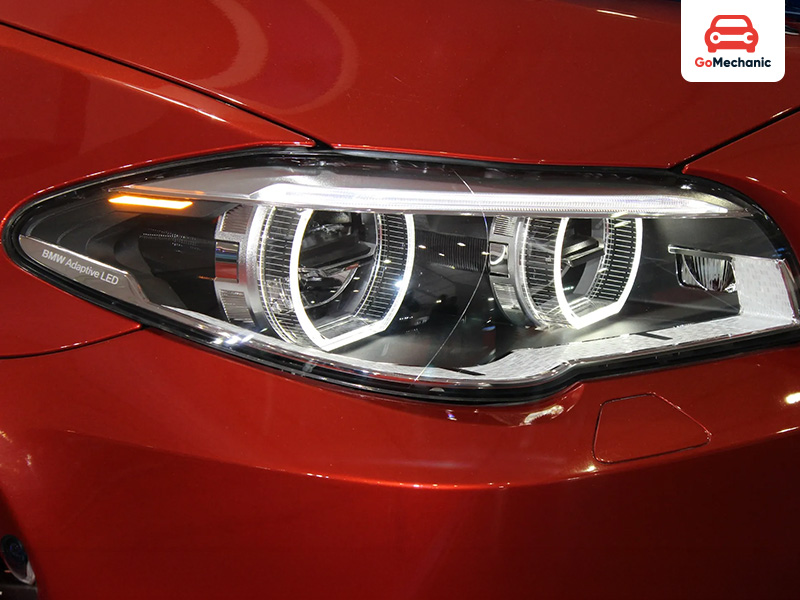
The DRL system in the car is a light system which works automatically for the car when it is on. The lights are designed to make the car easier to see during the day. DRLs make it simpler for pedestrians, bikers, and other drivers to see the vehicle from a distance. The majority of automotive DRLs don’t require manual light-on/off switching during the day. The DRLs turn on when the ignition is turned on, and in many automobiles, they dim or turn off when the headlights are turned on at night.
How DRL Lights Work:
- The engine starts
- DRL lights automatically turn on
- Sensors monitor lighting conditions
- Headlights activate in low-light conditions
- DRLs dim or turn off automatically
Common Types of DRLs:
| Type | Description |
| LED DRLs | Bright and energy efficient |
| Halogen DRLs | Older and less efficient |
| Integrated DRLs | Built inside headlight units |
A DRL light for a car is connected to the vehicle’s electrical system and works continuously while driving during the day. Modern DRLs are designed to consume very little power, making them efficient and practical for daily use.
Also read: DCT Full Form in Cars: Meaning, Working, and Benefits Explained
Benefits of DRL Lights for a Car
A DRL light for a car has a number of benefits in terms of safety and style. The biggest advantage of DRLs is improved road visibility. DRLs provide increased visibility of the vehicle to others, particularly in tunnels, during fog, in the dark, and in traffic. It is also great that car daytime running lights enhance the appearance of modern cars. There are many manufacturers making stylish LED DRLs, which make the cars look premium.
Benefits of DRL in the Car:
| Benefit | Explanation |
| Better Visibility | Easier for others to see the car |
| Improved Safety | Helps prevent accidents |
| Modern Appearance | Adds a stylish look to the vehicle |
| Low Power Usage | Consumes less battery power |
| Automatic Function | No manual operation needed |
Why Drivers Prefer DRLs
- Useful during cloudy weather
- Helps in highway driving
- Makes vehicles visible from far away
- Gives a modern car design
The DRL’s full form itself explains its main purpose: daytime visibility. Today, many countries encourage the use of DRLs because they improve road safety and reduce the chances of daytime accidents.
Also read: DPF Full Form in Cars: Meaning, Working, and Importance
Difference Between DRL Lights and Headlights
Many people think DRLs & headlights are the same, but they have different functions. DRL is primarily intended for daytime driving while headlights are intended for nighttime driving or driving in dark conditions. Daytime running lights on cars are typically dimmer and use less power than headlights. Headlights offer more light to help drivers see the roads in the dark.
DRLs vs Headlights:
| Feature | DRLs | Headlights |
| Main Purpose | Daytime visibility | Night driving |
| Brightness | Lower | Higher |
| Power Usage | Low | Higher |
| Automatic Activation | Usually yes | Manual or automatic |
| Road Illumination | Limited | Strong illumination |
Key Differences
- DRLs help others see your car
- Headlights help drivers see the road
- DRLs work during the daytime
- Headlights are necessary at night
A DRL light for a car improves visibility without creating glare for other drivers. Headlights, on the other hand, are important for proper road lighting and safe driving after sunset.
Also read: MUV Full Form and Its Role in Cars
Common Problems With Car Daytime Running Lights and Their Solutions
Car daytime running lights are not immune to problems like other vehicle parts, and can suffer over time. The most common DRL problems are flickering lights, light dimming, wiring problems or total light failure. Most of the time, these issues occur due to a fault in the wiring, damage to the bulbs, battery problems or blown fuses. DRL issues can be ignored until there is a negative impact on the vehicle’s visibility and road safety.
Common DRL Problems:
| Problem | Possible Cause |
| DRL Not Working | Fuse or wiring issue |
| Flickering Lights | Loose connection |
| Dim DRLs | Weak battery or old LEDs |
| One Side Not Working | Faulty bulb or wiring |
Simple Solutions:
- Check fuse condition
- Replace damaged bulbs
- Inspect wiring connections
- Clean dirty light covers
- Visit a professional technician if needed
Regular maintenance helps keep the DRL in the car working properly. Since DRLs are connected to the vehicle’s electrical system, proper servicing can prevent lighting issues and improve safety while driving.
Also read: LMV Full Form: Meaning, Types, Vehicles Covered, and Rules in India
Conclusion:
DRL is a vital car safety and design element that is utilised in most modern vehicles in use today. DRLs are lights to enhance vehicle visibility during daytime driving. A DRL light for a car makes it easier to see the vehicle, particularly on a highway, in the rain or fog. Besides safety, car daylights enhance the look of vehicles and make them look modern. DRLs are simple, automatic and energy-saving to use in normal driving. Also, it’s crucial to know the distinction between DRLs and headlights, as they have different functions. Proper maintenance and prompt repairs will enable the DRLs to function for years. In general, DRLs are a valuable addition which makes driving safer & more aesthetically pleasing in today’s cars.
FAQ’s
1. What is the use of DRL in a car?
DRL or Daytime Running Lights are lights that turn on when the car starts. The main purpose of DRL is to make the car more visible to drivers and pedestrians during the day. DRL helps improve road safety and reduce accidents. DRL is not meant for night driving like headlights.
2. Does DRL affect fuel consumption?
Yes, Daytime Running Lights can slightly affect fuel consumption because they use electricity from the car’s battery and engine system. However modern Daytime Running Lights that are made with LED technology use little power so the difference in fuel use is very small and usually not noticeable. Compared to headlights Daytime Running Lights are more energy efficient and are designed to improve safety without affecting the vehicle’s performance much.
3. What is DRL in a bike?
In bikes DRL stands for Daytime Running Light. It is usually a light that turns on when the bike starts. The main purpose of DRL on a bike is to make the bike clearly visible to drivers during the day. DRL helps improve safety on roads in traffic and low-visibility conditions.
4. What are the benefits of using DRL?
Daytime Running Lights help make vehicles more visible to drivers and pedestrians during the daytime. This improves road safety. Reduces the chances of accidents. Daytime Running Lights are also useful during rain, fog or cloudy weather when visibility becomes low. Along with safety Daytime Running Lights give cars a stylish and premium look. Most Daytime Running Lights work automatically making them easy and convenient to use daily.
5. What are the disadvantages of DRL?
DRL improves safety but DRL also has some disadvantages. Some drivers may forget to turn on the headlights at night because the DRL already lights up the front area. Traditional DRL can also slightly increase fuel use. In some cars replacing damaged LED DRL can be expensive. However overall DRL is still considered useful for road safety. DRL is a good feature to have in a vehicle.