GoMechanic

Mahindra & Mahindra is developing several hybrid powertrain solutions for its upcoming Indian SUV models. The company is assessing strong hybrid systems along with range-extender EV solutions as part of its long-term Indian market development plan.
Currently, many global automotive companies are reevaluating their electric vehicle strategies while implementing diverse powertrain development approaches. People recognize hybrid technology as a practical solution that enables drivers to choose between conventional petrol and diesel vehicles and fully electric cars.
Mahindra has made significant financial commitments to its born-electric INGLO platform which serves as the foundation for Mahindra XEV 9e Mahindra BE 6 and upcoming Mahindra XEV 9S models. The slow pace of electric vehicle adoption in India has compelled manufacturers to investigate other electrified technologies.
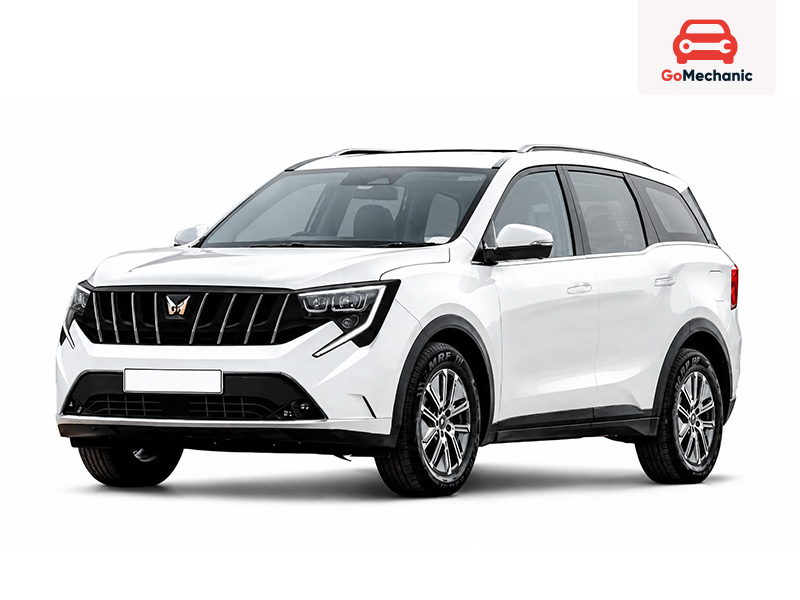
Mahindra Looking Beyond Pure EVs
Mahindra projects that electric vehicles will generate 20 to 30 percent of its overall sales by the year 2028. The company achieved approximately 9 percent electric vehicle sales during the previous fiscal year.
People show an increasing interest in electric vehicles yet Indian consumers still worry about charging networks, travelling long distances and battery expenses and battery performance during travel.
Mahindra is conducting research about hybrid systems which will provide:
- Better fuel efficiency
- Lower emissions
- Reduced fuel consumption
- Improved practicality for long-distance driving
- Less dependence on charging stations
The company is also preparing for stricter future emission and fuel-efficiency regulations which will include the upcoming CAFE standards in India.
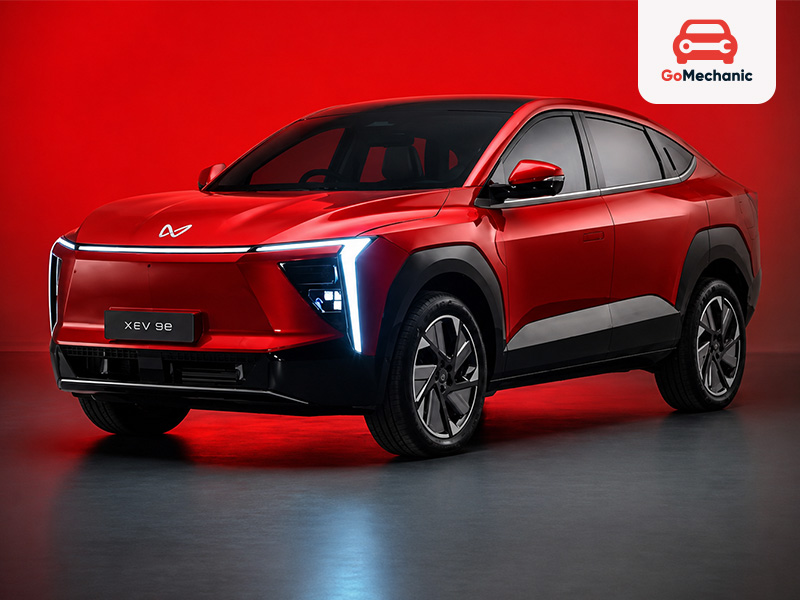
Mahindra XEV 9e Could Get Range-Extender Technology
Mahindra has begun testing range-extender hybrid technology for its electric SUVs which operate on the INGLO platform. The Mahindra XEV 9e is believed to be among the first vehicles under study for this technology. A range-extender EV operates according to different principles than a standard hybrid system. The system operates as follows:
- Electric motors provide all power to the wheels
- A small petrol engine acts mainly as a generator
- The engine charges the battery when needed
- The petrol engine usually does not directly drive the wheels
This setup allows the vehicle to maintain an EV-like driving experience while also increasing driving range and reducing charging concerns.
Also read: Mahindra XEV 9e scored a 5-star safety rating from Bharat NCAP
Mahindra is reportedly testing both:
| Engine Option | Purpose |
| 1.2-litre Petrol | Battery charging support |
| 1.5-litre Petrol | Battery charging support |
These engines may be used as onboard generators for future range-extender EVs.
Mahindra XUV 7XO Strong Hybrid Also Under Evaluation
Mahindra has developed range-extender electric vehicles which are currently under development with strong hybrid technology for their existing SUV lineup. The Mahindra XUV 7XO is expected to become one of the first Mahindra SUVs to receive a strong hybrid system.
A strong hybrid system enables an SUV to operate on electric power during short distance travel because it provides two power sources for the vehicle to use at different times. The system enables the SUV to drive on electric power for short distances while the petrol engine produces direct wheel drive when required and it automatically switches between electric and petrol power. The hybrid system used here operates in the same manner as the hybrid systems found in both the Toyota Urban Cruiser Hyryder and Maruti Suzuki Grand Vitara vehicles.
Why Carmakers Are Reconsidering EV Strategies
Mahindra’s decision demonstrates the worldwide trend of automobile manufacturers who are reducing their electric vehicle development efforts according to their current environmental performance.
Many buyers still prefer hybrids because they offer:
- Better fuel efficiency
- Lower running costs
- No charging dependency
- Easier long-distance travel
- Familiar ownership experience
The current EV adoption rate in India’s passenger vehicle market has not reached expected levels which were anticipated before. Hybrid vehicles have become more appealing for both manufacturers and consumers.
Do read: Mahindra XUV700 Mileage Comparison: Petrol vs Diesel
Rising Fuel Prices Could Also Boost Hybrids
Another factor that may increase interest in hybrid vehicles is the rising concern around global fuel prices. The global oil market has experienced disruptions which create fears about future fuel price increases because of ongoing tensions at vital crude oil supply routes. Indian oil companies encounter challenges because international crude prices are increasing according to reports.
There has been rising debate about:
- Fuel consumption reduction
- Public transport promotion
- Work-from-home practice encouragement
- Electric vehicle adoption increase
- Fuel efficiency enhancement
The current situation makes hybrid vehicles more appealing because they require less fuel consumption while delivering the same benefits as standard petrol vehicles. The company’s future lineup may include a combination of:
| Powertrain Type | Expected Usage |
| Full EV | Urban and premium buyers |
| Strong Hybrid | Fuel-efficient family SUVs |
| Range-Extender EV | Long-distance EV users |
| Petrol/Diesel | Traditional SUV buyers |
Expected Launch Timeline
The Mahindra XUV 7XO hybrid model will launch in 2027. The Mahindra XEV 9e will receive range-extender technology through INGLO-based EV systems which are expected to be available in 2028. The current status of these projects shows that they remain in the process of technical evaluation and development. Mahindra has not officially confirmed launch timelines yet.
Final Thoughts
The Indian automobile market shows its advancement through Mahindra and Mahindra research on hybrid and range-extender technologies. Many manufacturers consider hybrid technology to be an essential link between traditional fuel vehicles and complete electrification according to the future importance of electric vehicles.
The hybrid versions of Mahindra XUV 7XO and Mahindra XEV 9e will enable Mahindra to attract customers who want enhanced efficiency but do not want to rely entirely on charging stations. Hybrid technology will experience significant growth in the Indian SUV market as customer expectations, emission norms and fuel prices undergo ongoing transformations throughout the upcoming years.
FAQs
Q1. Is Mahindra launching hybrid SUVs in India?
Mahindra conducts research on hybrid SUV technology development for the Indian market. The company is exploring future vehicle development through strong hybrid systems and range-extender EV technology which includes the Mahindra XUV 7XO and Mahindra XEV 9e as upcoming projects.
Q2. What is the Mahindra XEV 9e range-extender EV?
The Mahindra XEV 9e range-extender EV uses an electric motor to drive its wheels while the small petrol engine operates as a generator to supply battery power. This system enables extended driving range while decreasing the need for frequent charging.
Q3. When will the Mahindra XUV 7XO hybrid launch in India?
The Mahindra XUV 7XO strong hybrid is expected to launch around 2027. Mahindra has not confirmed the official launch date for its upcoming product yet.
Q4. Why is Mahindra working on hybrid SUVs?
Indian customers still worry about three specific things which include electric vehicle charging problems and difficulties with travelling long distances and the expenses associated with battery usage. Hybrid SUVs provide drivers with better fuel efficiency and reduced fuel consumption together with simpler vehicle maintenance.
Q5. Will Mahindra hybrid SUVs be better than normal petrol SUVs?
Mahindra hybrid SUVs provide superior fuel efficiency and reduced emissions when compared to traditional petrol SUVs. The vehicles enable drivers to operate their cars without relying entirely on charging station availability which makes them suitable for both urban driving and extended highway journeys.