GoMechanic

The Indian automotive market has changed a lot over the past few years. People who buy cars are looking for something now. They want to buy SUVs. The government has also made some rules about how much pollution cars can produce and how safe they have to be; because of this car companies have to make cars that follow these rules or stop making the old ones. This is why some Maruti Suzuki cars are not available anymore.
Some of these cars were very popular like the Omni and the Gypsy. Some other cars, like the Ciaz and the Ignis were also stopped recently. There are reasons why Maruti Suzuki stopped making these cars.
It is good to know about Maruti Suzuki discontinued cars in India because it helps people who want to buy a car, people who like cars and people who want to buy a used car. They want to know why they cannot buy some cars anymore and what is happening with the Maruti Suzuki company. Some cars were stopped because they could not meet the pollution rules, which are called BS6 norms. Some other cars were stopped because not many people were buying them or because people’s preferences were changing. In this blog, we will look at all the Maruti Suzuki cars that are not made anymore, why they were stopped and which Maruti Suzuki cars might be stopped next.
List of Maruti Suzuki Discontinued Cars in India:
| Model | Year Discontinued | Segment | Primary Reason |
| Maruti Suzuki Ignis | 2026 | Hatchback | Weak sales and shift toward micro-SUVs |
| Maruti Suzuki Ciaz | 2025 | Sedan | Falling demand for sedans |
| Maruti Alto 800 | 2023 | Hatchback | BS6 emission and safety norms |
| Maruti Suzuki S-Cross | 2022 | Crossover SUV | Replaced by Grand Vitara |
| Maruti Diesel Variants | 2020 | Multiple Segments | High BS6 upgrade costs |
| Maruti Omni | 2019 | Van | Failed safety and emission norms |
| Maruti Gypsy | 2019 | SUV | Could not meet new regulations |
1. Maruti Suzuki Ciaz: Why Did Maruti End Its Premium Sedan?
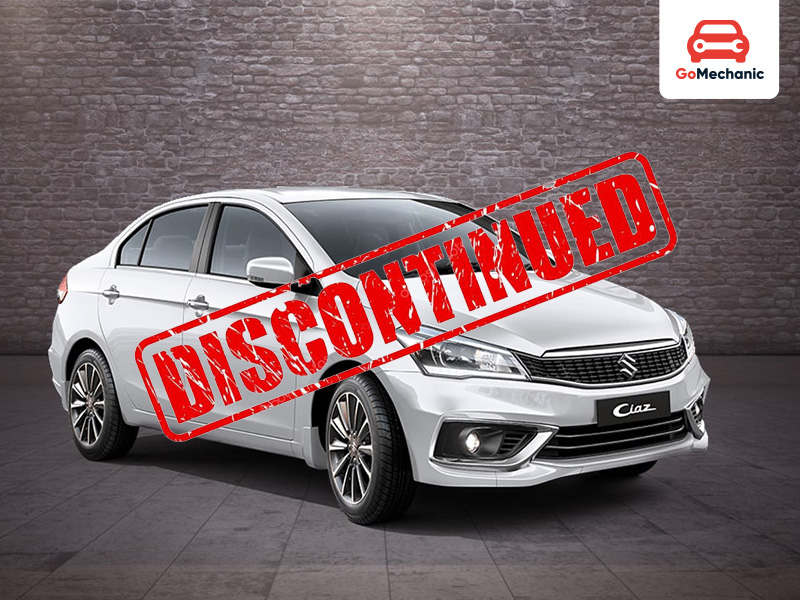
The Maruti Suzuki Ciaz was really popular when it first came out because it had a lot of space inside, did not use a lot of fuel and the ride was very comfortable. People’s ideas about cars started to change and they did not want sedans like the Maruti Suzuki Ciaz as much anymore. Instead people started to like compact and mid-size SUVs more because they have a lot of space between the car and the ground, and you sit up high when you drive. They look really modern.
The Maruti Suzuki Ciaz was discontinued due to its lack of updates, while other vehicles received updates that offered things like newer designs and more advanced safety features; the Maruti Suzuki Ciaz essentially stayed the same. With no updated models, it will be increasingly difficult for the Maruti Suzuki Ciaz to compete against all these updated models on the market.
Key reasons for discontinuation:
- Declining demand for mid-size sedans.
- Rapid growth in the SUV segment.
- Lack of a full-generation update.
- Strong competition from newer rivals.
- Maruti’s strategic focus on SUVs and electrification.
Although the Ciaz is no longer available as a new car, it remains a popular choice in the used-car market because of its reliability, spacious interior, and low maintenance costs.
Also read: Maruti Suzuki e Vitara vs Tata Nexon EV: Which Electric SUV Makes More Sense?
2. Maruti Suzuki Ignis Discontinued: Why Did This Stylish Hatchback Fail?
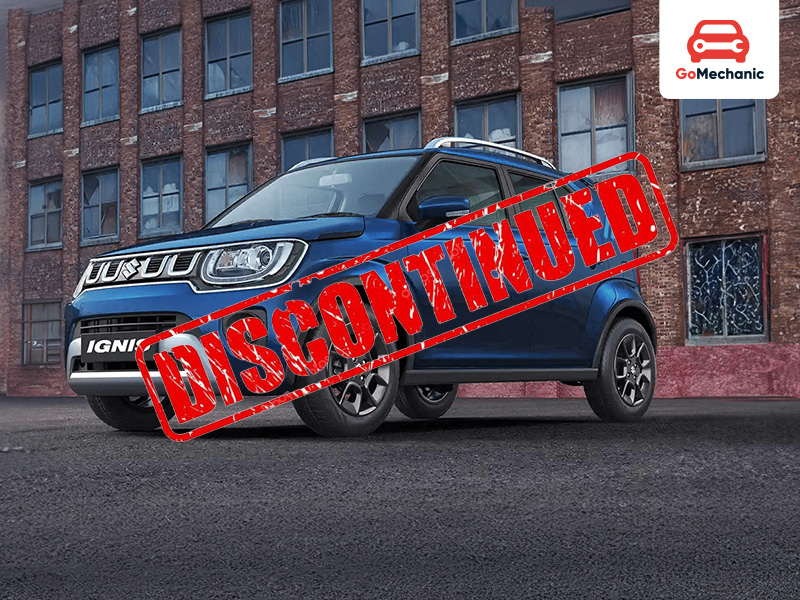
In fact, the Maruti Suzuki Ignis was an unusual car as it was quite unusual in design and size. The Maruti Suzuki Ignis perfectly met the needs of those who desired to have a fashionable car for city driving. In spite of its perfect design not many customers decided to buy this model. There are several reasons why the car was discontinued by the company. First of all, the tastes of people have changed. Now Indians prefer to purchase SUVs and micro-SUVs such as the Tata Punch and Hyundai Exter. Moreover, there was no interest in premium hatchbacks such as the Maruti Suzuki Ignis among people.
Key Reasons for Discontinuation:
- Shift in customer preference towards SUVs and crossovers.
- Strong competition from rival micro-SUVs
- Limited demand compared to Baleno and Swift.
- Maruti’s focus on launching SUV-based products.
Although discontinued, the Ignis remains a practical used-car option due to its peppy petrol engine, compact size, and easy maintenance.
3. Maruti Alto 800 Discontinued: What Caused the End of India’s Budget Car?
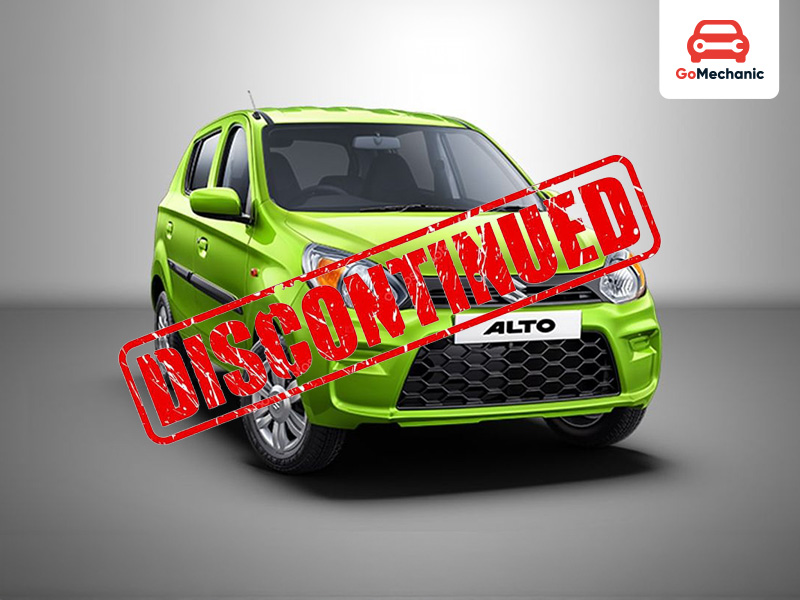
The Maruti Alto 800 was a popular car in India. The Maruti Alto 800 was a good choice to buy in India because of its low maintenance and low cost. The Maruti Alto 800 was a car for those who didn’t want to spend much money on gas.
Its economy was further enhanced by its low price tag; the Maruti Alto 800 was an economical car. There were some new rules enacted by the government. However, the Government introduced some new regulations. The rules called for reduced emissions and increased safety of cars. Actually, the Maruti Alto 800 was not a part of these rules! If they were to do the same with the Maruti Alto 800, it would be very expensive for Maruti. It would render the Maruti Alto 800 a lot more costly to purchase. The 800 cc Maruti crores would no longer be a car. Hence Maruti chose to continue producing the Maruti Alto K10 – a variant of the Maruti Alto 800.
Major Factors Behind Its Exit:
- Difficulty in meeting updated BS6 norms.
- Rising costs of safety upgrades.
- Need for a more modern platform.
- Strategic shift toward newer entry-level products.
Even today, the Alto 800 continues to enjoy strong demand in the pre-owned market because of its reliability and low ownership cost.
Also read: Maruti Suzuki Dzire Safety Rating: Global NCAP Score & Full Safety Details
4. Maruti Suzuki S-Cross: Why did the Grand Vitara replace it?
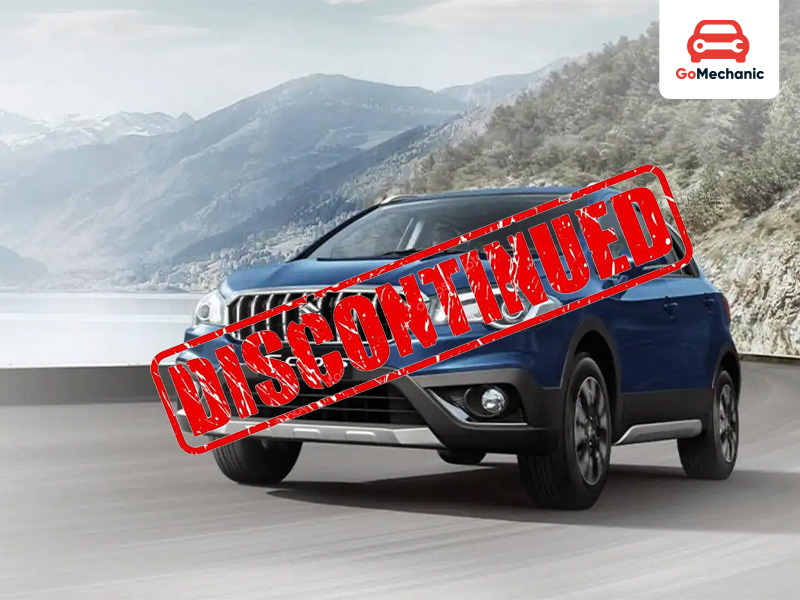
Maruti Suzuki S-Cross was one of the good cars offered by Maruti Suzuki to Indians who desired a unique car. Maruti Suzuki S-Cross is a popular choice in India from the day of its launch due to the high level of comfort and space inside and options of diesel engines. As days passed, interest in buying the Maruti Suzuki S-Cross has been decreasing as it was not built as a good SUV, which is a preferred choice with Indians. Apart from this, the Maruti Suzuki S-Cross had to deal with competition from smaller cars with lots of features. Hence, Maruti Suzuki stopped production of the Maruti Suzuki S-Cross and started production of the Grand Vitara.
Reasons Behind the Replacement:
| Factor | Impact |
| Declining sales | Reduced market relevance |
| Growing SUV competition | Lower demand |
| Lack of modern styling | Failed to attract younger buyers |
| Introduction of Grand Vitara | Direct replacement |
The Grand Vitara offers hybrid technology, advanced features, and a stronger SUV appeal, making it better aligned with current market trends.
Also read: A Complete Guide on Maruti Suzuki Wagon R Tyre Size, Price and Pressure
5. Why Did Maruti Suzuki Discontinue Its Diesel Cars?

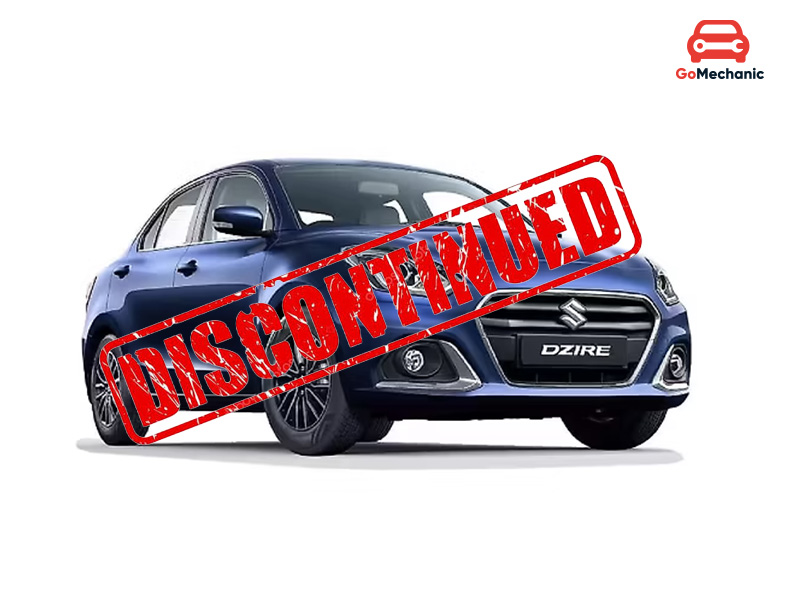
In 2020, Maruti Suzuki decided to withdraw the production and supply of diesel cars in the Indian market. It affected Maruti Suzuki’s popular models that people used to purchase. The reason behind this was the introduction of BS6 emission norms in the country. Maruti Suzuki had to invest a lot in upgrading the engines in their diesel cars in order to be able to comply with the standards. Maruti Suzuki realised that its diesel cars would become unaffordable for people due to high investment.
Also, people’s tastes began to change. Engines became better, and there was a growing preference for CNG-fuelled cars among the people; thus, they did not want to buy diesel passenger cars from Maruti Suzuki anymore.
Main Reasons for Discontinuing Diesel Cars:
- High cost of upgrading diesel engines to BS6 standards.
- Declining demand for diesel passenger vehicles.
- Growing popularity of petrol and CNG models.
- Focus on hybrid and electric mobility.
The discontinuation marked a significant shift in Maruti Suzuki’s long-term product strategy.
6. Maruti Omni Discontinued: What Led to the End of an Iconic Van?
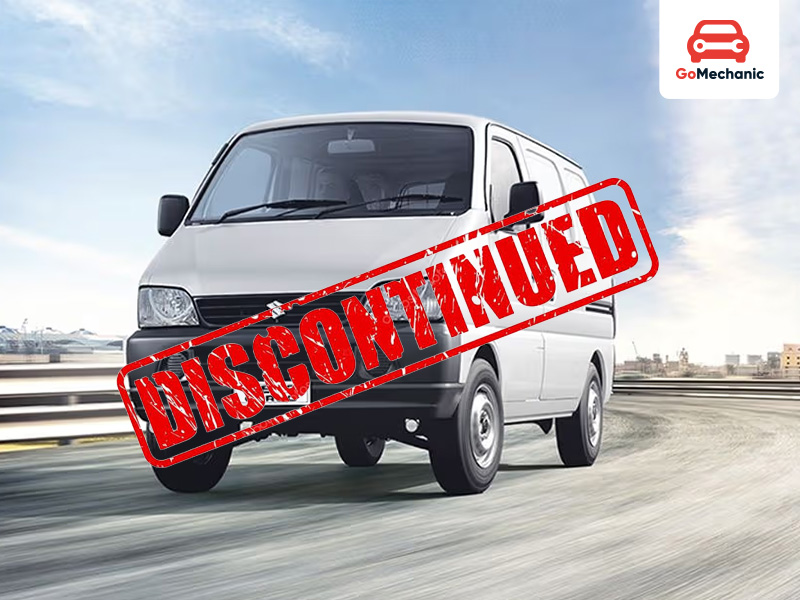
The Maruti Omni was a well-known vehicle in India. It was first introduced in 1984. People used it for many things like taking their family around moving cargo, taking kids to school and even as an ambulance. The Maruti Omni was very popular. It did not have some very important safety features, like airbags, ABS and protection in case of a crash. The Maruti Omni looked old. It was hard to make it safe enough to pass new crash tests. Also to make the Maruti Omni meet the BS6 emission standards they would have had to make a lot of big changes, which would have cost a lot of money and would not have been a good business decision.
Why Was the Omni Discontinued?
- Failure to meet mandatory crash safety norms.
- Absence of modern safety equipment.
- Difficulty complying with BS6 emission standards.
- Outdated platform and design.
Although production has ended, the Omni continues to hold nostalgic value among Indian consumers.
Also read: Maruti Suzuki S-Presso Safety Rating
7. Maruti Gypsy Discontinued: Why Was the Legendary SUV Phased Out?
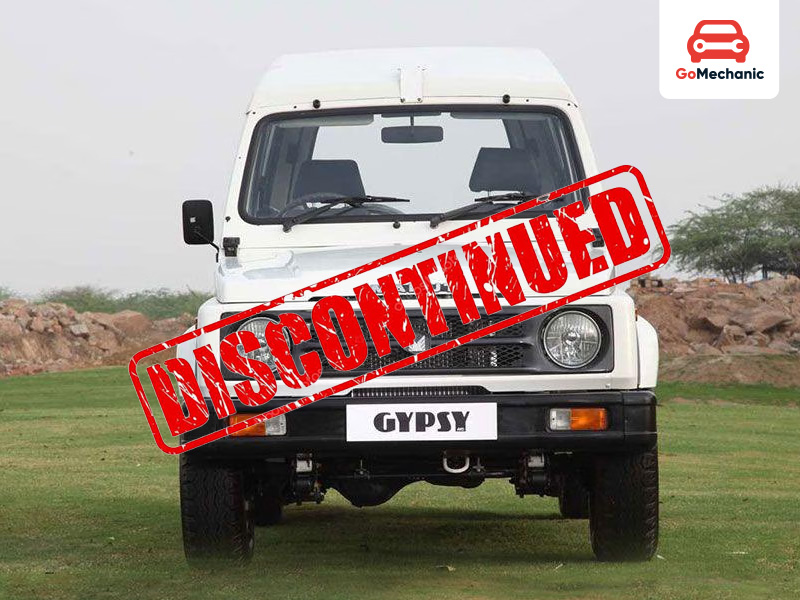
The Maruti Gypsy is really famous in India. This is because the Maruti Gypsy is very good at driving on roads and it is built to last. Lots of people used the Maruti Gypsy, like the defence forces, police departments and people who love adventure.
The Maruti Gypsy was very old. It did not have the safety features that people want now. The Maruti Gypsy would have needed a lot of changes to meet the rules about safety and emissions. People’s ideas about cars have also changed. Now people want Maruti Gypsy cars that’re comfortable and have lots of features and technology, not just cars that can drive on rough roads.
Key Reasons Behind the Gypsy’s Exit:
- Inability to meet new safety regulations.
- Challenges in complying with BS6 norms.
- Outdated platform and technology.
- Shift in consumer expectations.
The Maruti Jimny has now taken over as the brand’s lifestyle off-road SUV in India.
Key Reasons Why Maruti Suzuki Discontinued Several Cars in India
Several common factors have contributed to the growing list of Maruti Suzuki discontinued cars in India.
Major Reasons Include:
- Higher Emission Norms – BS6 standards raised the manufacturing expenses of older vehicles.
- Improved safety rules – The requirement for additional safety equipment made conversions to older platforms difficult.
- Changing Consumer Preferences – SUVs and Crossovers are the new trend over Sedans and Hatchbacks.
- Low sales – This can lead to low sales and financial viability issues in continued production.
- The focus of Product Portfolio Optimisation – Maruti is on SUVs, hybrids, CNG, and electric vehicles.
These factors are expected to continue influencing future product decisions.
Which Maruti Suzuki Cars Could Be Discontinued Next?
Following recent market shifts, several models are being closely watched by industry observers.
Recently Discontinued Models:
- Maruti Suzuki Ciaz: Discontinued due to weak demand for the sedan segment and lack of major change to the Ciaz.Discontinued due to poor sedan sales and no major change in the Ciaz.
- Maruti Suzuki Ignis: Tapped up as Maruti aims to launch a new micro SUV that will be more competitive in the segment.
Models That Could Face Uncertainty:
- Maruti Suzuki Celerio – The Celerio is suffering from losing market share in the hatchback segment and gaining ground in the SUV-inspired segment, due to the slowdown in hatchback sales. If sales continue to decline further, then Maruti might streamline its portfolio.
- Maruti Suzuki Jimny – The Jimny has a significant following among enthusiasts and has strong export demand. But domestic sales have been fairly small. In the long term, it might be affected by future emission regulations and platform costs.
What to Expect Going Forward:
Maruti Suzuki is getting bigger with its Sport Utility Vehicles and cars. The company is making things like electric Sport Utility Vehicles and hybrid cars and that is what Maruti Suzuki will be doing in the future. Some cars that do not sell well, like the regular ones, might not be made by Maruti Suzuki anymore.
Conclusion:
The list of Maruti Suzuki discontinued cars in India shows how fast the Indian automobile market is changing. There are rules for emissions and safety and people want different things from their cars so companies have to stop making some models. The Omni, Gypsy, Alto 800 Ciaz and Ignis were all cars for Maruti Suzuki in India but the market changed and they had to go.
At the time, Maruti Suzuki is focusing on Maruti Suzuki SUVs, hybrid technology, Maruti Suzuki CNG vehicles and Maruti Suzuki electric cars for the future. The car industry is always changing so we can expect more changes in the cars Maruti Suzuki makes.
For people who want to buy a car it is a good idea to know why Maruti Suzuki stopped making some cars. This can help when you are thinking about buying a used car. Many of the cars that Maruti Suzuki does not make anymore are still very good; they are reliable. Do not cost a lot to maintain which makes them a good choice when you are looking for a used car.
FAQ’s
1. Which cars are discontinued by Maruti?
Maruti Suzuki has discontinued several popular cars in India, including the Omni, Gypsy, Alto 800, S-Cross, Ciaz, and Ignis. The company also discontinued its diesel car lineup in 2020. Most of these models were phased out due to stricter BS6 emission norms, updated safety regulations, changing customer preferences, and declining demand in their respective segments.
2. What is the flop car in Maruti Suzuki?
There is no official “flop” car in Maruti Suzuki’s lineup, but models like the Kizashi, S-Cross, and Ignis did not achieve the expected sales. High pricing, strong competition, changing customer preferences, and the growing popularity of SUVs were the main reasons these models struggled to gain a larger share of the market.
3. Which is the No. 1 safest car?
India’s safest car has been changing hands since the new crash test results were released. At present there are some models which have been awarded high safety scores in Bharat NCAP, including the Tata Harrier and Tata Safari. Safety ratings, airbags, electronic stability control and other advanced driver assistance systems are all important to a car’s safety. Always review the most up-to-date safety ratings prior to vehicle purchase.
4. Which is the highest-selling car of Maruti?
The low cost, generous interior, excellent fuel economy & low maintenance requirements are the reasons the Maruti Suzuki WagonR has been one of the most popular models for years. But the Maruti Dzire took over the top spot in India during calendar year 2025. Due to Maruti’s robust service network and trustworthy products, they are achieving high sales in various models.
5. Which car colour is hardest to maintain?
Black is typically regarded as the most challenging car colour to keep. It is highly sensitive to dust, water spots, swirls, scratches and fingerprints & requires regular washing and polishing to maintain cleanliness. Extra care will also be required for dark blue and other dark colours. Silvers, whites and greys tend to be easier to care for since they conceal dust and minor scratches.