






Filing of documents in RTO (Regional transport office) is one of the main operations that takes place when buying or selling a vehicle and it guarantees that the transaction will be legally valid and provides the vehicle registration too. RTO Forms 29 and 30 are the heart of this process. Although the standard form known as Form 29 (a form of legal procedural notice of transfer of ownership of the subject) is the majority, Form 30 is used in order to fill in the record of the RTO change information for the “New owner” details.

This blog will cover everything you need to know about Form 29 and Form 30 —how to download, fill them out, and submit them, ensuring that your vehicle transfer is legal, smooth, and free from complications.
What Forms Does the RTO Need for the Resale of a Used Vehicle?
The government needs to monitor the number of cars on the streets, their car owners, and whether the car owners have paid all the necessary taxes. The authorities should also know the owners so that they will be held accountable for owning and driving their vehicles and when victims are shielded from liability in the event of an accident. Registering your car with the RTO helps the government keep track, and when you want to sell your car, the transfer of ownership is added to government records by the owner filling out prescribed forms And Making your Form 29 & 30 Download Process.
Form 28, Form 29 and Form 30 are the primary forms to be filled out and submitted to the RTO when selling a used car which depend on different aspects. Let’s look at each form in detail:
RTO Form 28: No Objection Certificate (NOC)
When is Form 28 Required?
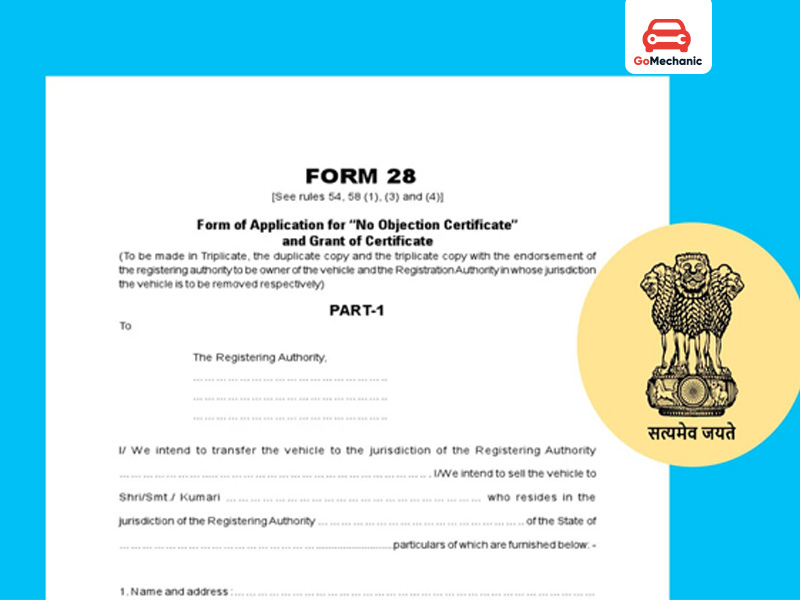
If you plan to sell or transfer (to another state or an RTO jurisdiction other than the state of registration with which you are currently registered), Vehicle Form 28, then you have to submit it. It guarantees that there are no any remaining legal or financial obligations associated with the vehicle.
Why is Form 28 Important?
Form 28 is a “No Objection Certificate” (NOC) of RTO, which is a certificate issuing that the vehicle is free from any legal encumbrances, outstanding dues or loans. However, in the lack of a such a NOC, the vehicle is not registered in another state because the interstate transfer mandates that the vehicle be registered in a different state.
Who Needs to Submit Form 28?

Vehicle Owners: During sales, purchase or transfer of a vehicle that is outside of your usual RTO area.
Buyers: The buyer requests that the NOC process the re-registration process in their state.
Required Documents For Form 28
| Document | Description |
| Original Registration Certificate | Proof of vehicle ownership. |
| Valid Insurance Certificate | Ensures the vehicle is insured at the time of transfer. |
| Pollution Under Control (PUC) Certificate | Validates that the vehicle meets emission norms. |
| Owner’s Identity & Address Proof | Aadhaar card, passport, or voter ID for verification. |
| Financer’s Consent (if applicable) | Required if the vehicle was financed and the loan isn’t cleared. |
| Vehicle Inspection Report | Issued by the RTO after a physical inspection of the vehicle. |
Parts of Form 28:
Vehicle Details Section: There are in this subsection the most important vehicle features, i.e., registration number, chassis number, and engine number.
Owner’s Details Section: Contains the owner’s name, address, and other identification information.
Financier Details (if applicable): When vehicles are financed the section is added to the knowledge of the financier and consent only.
Signature Section: Seller and RTO officer shall sign their signature jointly in the form.
How to Download Form 28:
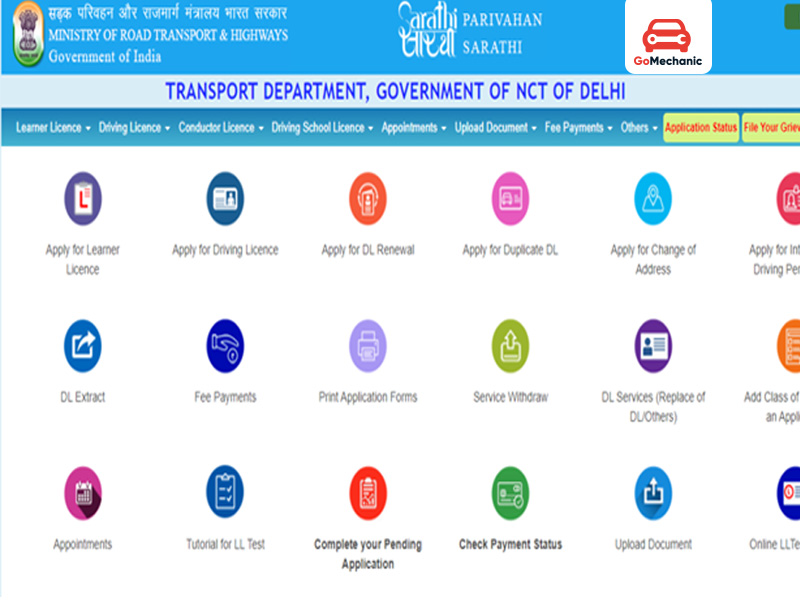
- Visit the official Parivahan Sewa website (https://parivahan.gov.in).
- Navigate to the Forms section.
- Choose Form 28 – No Objection Certificate Application from the list.
- Download the form directly or print it so that it can be viewed offline.
Steps to Fill Form 28:

Fill in the Vehicle Details: First, please input the vehicle registration number, chassis number and engine number.
Enter Owner’s Information: Provide your full name, address, and contact details.
Provide Financier Details (if applicable): Where a debt or finance is charged to the vehicle, provide details of the lender obtained by agreement.
Sign the Form: The form shall be signed by the vendor and RTO officer.
Submit the Form: Please send the completed form and supporting documents to the RTO.
RTO Form 29: Notice of Transfer of Ownership
When is Form 29 Required?
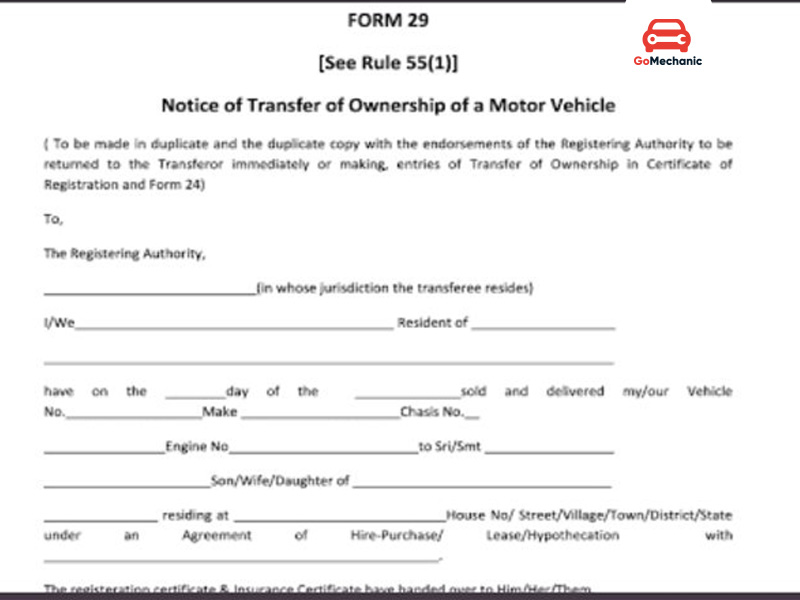
In order to carry out title transfer of a motor vehicle from one owner to another, Form 29 is required. By acting as an official notification to the RTO when the vehicle is no more under the ownership of the original owner, it carries out its role.
Why is Form 29 Important?

This (one) is also important because it shows that the transfer of ownership has an associated record when the RTO confirms the sale. It safeguards the seller from risks relating to traffic offences or vehicular accidents after the sale.
Who Needs to Submit Form 29?

The Seller: All applicants, however, are required to complete and forward the questionnaire and transfer it to the RTO.
The Buyer: To include a handout with a consultation requisition and provide it together with the other learning materials, it is necessary to define which learner has to re-register the car.
Required Documents For Form 29
| Document | Description |
| Original Registration Certificate (RC) | Proof of vehicle ownership. |
| Valid Insurance Certificate | Ensures the vehicle is insured during the transfer. |
| Pollution Under Control (PUC) Certificate | Validates that the vehicle meets emission norms. |
| Owner’s Identity Proof | Aadhaar card, PAN card, or voter ID for verification. |
| Proof of Sale | A copy of the sale agreement or invoice as proof of transaction. |
Parts of Form 29:
Seller’s Information Section: Disclosure of seller contact data (e.g., name, address, vehicle identification number).
Buyer’s Information Section: Store to buyer’s information (name, address, and contact information).
Vehicle Details Section: Data about a vehicle including the vehicle registration number, body number, and engine number.
Signature Section: The signer will agree to sign below to complete the sale of the vehicle.
How to Download Form 29:
- Visit the official Parivahan Sewa website (https://parivahan.gov.in).
- Go to the Forms section.
- Select Form 29 – Notice of Transfer of Ownership.
- Download the form directly or print it to use offline.
Steps to Fill Form 29:
Enter Seller’s Information: Researched sparse information about the vendor including vendor’s name, vendor location, and vendor’s phone number, etc.
Enter Buyer’s Information: Provide the buyer’s name, address, and contact details.
Fill in Vehicle Details: The vehicle registration number, chassis number, and engine number have to be attached.
Signature of Seller: The transfer should be countersigned by the “selling point” of the seller, whose signature is to appear on the side of the document.
Submit the Form: Complete and lodge the form at the RTO and retain a copy for reference.
RTO Form 30: Application for Intimation and Transfer of Ownership

When is Form 30 Required?
Transfer to the records of RTO for the purpose of registration in RTO records must be registered in the records of RTO, Form 30 must be presented after Form 29. It is a matter of official registration which updates vehicle registration information with the new owner’s contact address.
Why is Form 30 Important?
Form 30 is an absolute requirement in order to properly transfer the ownership of the car. By ensuring its accuracy, the RTO won’t be at fault if the new owner’s details are not documented correctly on the record, thus eliminating the risk of a future legal issue or liability to be faced by both the new owner and the previous owner, respectively.
Who Needs to Submit Form 30?
The Buyer: Needs to submit Form 30 to RTO to transfer the ownership.
The Seller: Completion and submission of Form 30 by the purchaser is also proposed as a means to minimize post-sale disputes.
Required Documents For Form 30

| Document | Description |
| Original Registration Certificate (RC) | Proof of vehicle ownership. |
| Valid Insurance Certificate | Ensures the vehicle is insured during the transfer. |
| Pollution Under Control (PUC) Certificate | Confirms the vehicle’s emission compliance. |
| Form 29 (Copy) | Required to confirm that the transfer notice has been filed. |
| Buyer’s Identity & Address Proof | Aadhaar card, PAN card, or voter ID for verification. |
| Proof of Sale | Sale agreement or invoice confirming the transaction. |
Parts of Form 30:
Owner’s Information Section: User purchase history, such as name, address, and phone number.
Vehicle Details Section: Includes vehicle registration number, chassis number, and engine number.
Signature Section: It has to be signed by the buyer and the RTO officer to register.
Transfer Request Section: Procedural request for modification of ownership and registration information.
How to Download Form 30:
- Visit the official Parivahan Sewa website (https://parivahan.gov.in)
- Navigate to the Forms section.
- Select Form 30 (Application For Intimation And Transfer Of Title).
- View The RTO Form 30 download PDF application form or print it as follows directly from the Web site.
Steps to Fill Form 30:
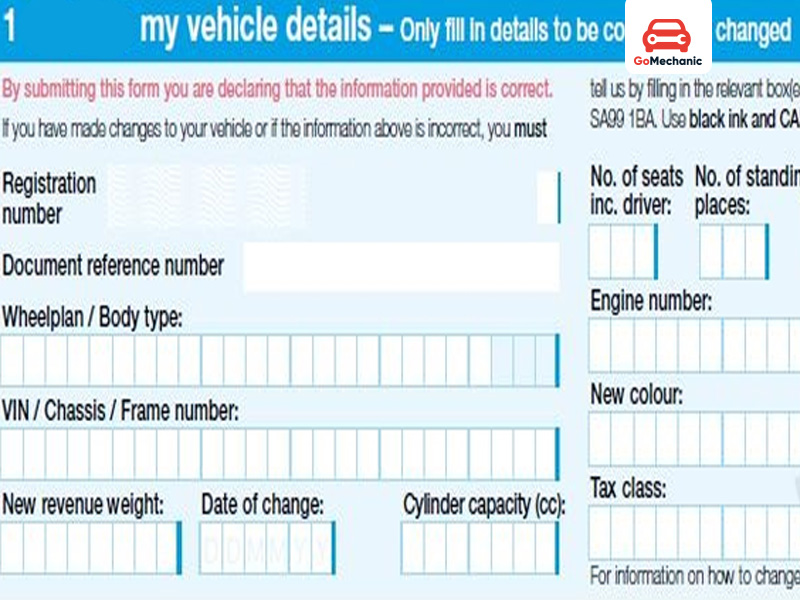
Fill in Buyer’s Details: Supply the full name, address and phone of the new owner.
Enter Vehicle Information: Please list the license plate/registration number, frame/chassis number, engine/identity number and all other relevant data.
Attach Required Documents: Please submit copies of the RC, insurance paper, pollution paper, sale proof, and buyer’s ID.
Sign the Form: The purchaser is obliged to sign the form as well as the seller agrees its signature.
Submit to RTO: Given the required information, an application form can be submitted to the RTO by completing and submitting the application form with attachments.
Related -Want To Transfer RC? You Can Now Do It Online!
Quick Tips for a Smooth Vehicle Transfer
Clear All Dues: Just about to conduct the transfer check if no outstanding road tax, traffic fines, and remaining loan repayments exist and if there is no delay in the transfer.
Verify Vehicle History: Ensure the vehicle’s history is clean of any legal issues or accidents in order to ensure a clean title and avoid any future problems.
Complete Paperwork: All relevant documents, namely the sale contract, proof of insurance and a valid PUC certificate are in place and accurate.
Check Vehicle Details: By vehicle chassis and engine numbers matching those in the registration certificate the chassis and engine numbers are deemed to be correct.
Follow RTO Timelines: The transfer process may take time. Keep a current status thereof and keep in touch with the RTO as needed.
Transfer Liability: Instrument ownership transfer should be completed to avoid liability for fines or accidents after sale.
State-Specific Requirements: Please let us know if there are any specific requirements or other documentation that needs to be sent, and which are different due to RTO legislation in your state.
Use Secure Payment Methods: In order to avoid fraud, the transaction should be done through safe remittance channels (i.e., bank transfer or demand draft).
Check this out – High-Security Number Plates In Haryana
Successful Transfer Ownership with RTO Forms 29 & 30
Although it appears that the transfer of ownership is very time-consuming and complicated, The transfer of ownership, in reality, is very simple, as it only needs to take the required steps and obtain all required documents. RTO forms 29 and 30 are of the greatest significance in the chain of transfer of vehicular ownership to the legal and the corrections carried out through RTO.
Check This Out– RTO Full Form: The Essential Guide to India’s Regional Transport Office
FAQs
Q: Why is Form 30 important?
A: The seller is obliged to verify that Form 30 is submitted, with the explanation that this supports the submission declaration Form 29 to the RTO. Form 30 is principally employed to notify the RTO that a vehicle in their state is sold and that it new owner has no outstanding legal liabilities. There is a necessity of Form 30 to be filled in 14 days after the vehicle undergoes sale.
Q: What does “transferor” mean on Form 30?
A: The transferor, i.e., the person presently owning the vehicle, is required to complete the corresponding part of Form 30, to enter his/her information, vehicle information, and the purpose for the requested transfer. It is in their interest to also sign the form with the intention to agree to the transfer of ownership.
Q: What are the important factors that need to be considered while filling out Form 30?
A: As part of the completion of Form 30, it is indeed necessary to confirm whether the vehicle is leased or Owned. Second, the signature or thumbprint of the original owner and the financier is required to appear on the same so as to fully complete the 30 Form. In addition, the official stamp of the Registering Authority must be applied such that a portion of the stamp mark is visible on every signature.
Q: Who should sign Form 30?
The transferor (present owner) and the transferee (future owner) must sign the Form 30. Their signatures mean their approval and confirmation of the transfer of ownership.
Q: If errors or mistakes appear in Form 30 after submission, what should I do?
It is important to carefully review the filled form for accuracy before submission. In case of errors or mistakes, consult the RTO office for guidance on how to rectify the form and make the necessary corrections.
Q: Can Form 30 be filed electronically?
The acceptance of electronically filled Form 30 may vary depending on the specific guidelines of your regional transport office. It is desirable to consult with the RTO to see if electronic submission is allowed and what procedures have to be taken.
Q: What is The Vehicle Transfer Form No 29 & 30?
Form 29 is an application that has to be lodged with the RTO transfering the vehicle ownership from the seller to the buyer.
Form 30 is then updated in RTO to show the updated owner details for the same vehicle hence the same vehicle is registered with the new owner legally.


