






Introduction
Porsche, the world-famous German sports car manufacturer, has always been a pioneer in innovation. In 2014, it took its technological advancement one step further and unveiled a revolutionary experiment – a Water powered car.
This was a world first, and the concept of a car that runs on water alone was nothing short of revolutionary. It was a car that not only gave drivers a unique and more sustainable way of getting around but also promised to reduce emissions and help the environment. It was a bold and ambitious move for Porsche, and it promised to revolutionize the automotive industry for years to come.
The success of the experiment also showed that Porsche was committed to pushing the boundaries of innovation and creating cars that would help to reduce our environmental footprint. With the help of this revolutionary experiment, Porsche has set the bar high and created a precedent for other companies to follow.
Porsche’s investment in HIF Global
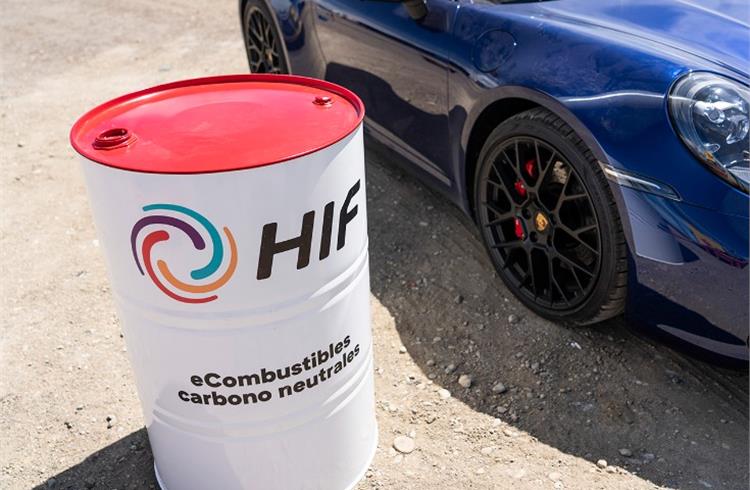 In 2016, Porsche became the largest shareholder in HIF Global after acquiring 16.95% of shares in the company. This made HIF Global the official partner of Porsche for developing and producing synthetic fuel.
It was a massive investment for the sports car manufacturer, and it made HIF Global one of the most significant companies in synthetic fuel production. The collaboration between Porsche and HIF Global had been in the works for several years. They had initially come together in 2014 to work on the world’s first water-powered car.
They also worked together to create a pilot plant in 2015, which was a crucial step in the process of developing synthetic fuel. Two years later, Porsche acquired 16.95% of shares in HIF Global, marking the beginning of a new collaboration.
The Purpose of the Pilot Plant
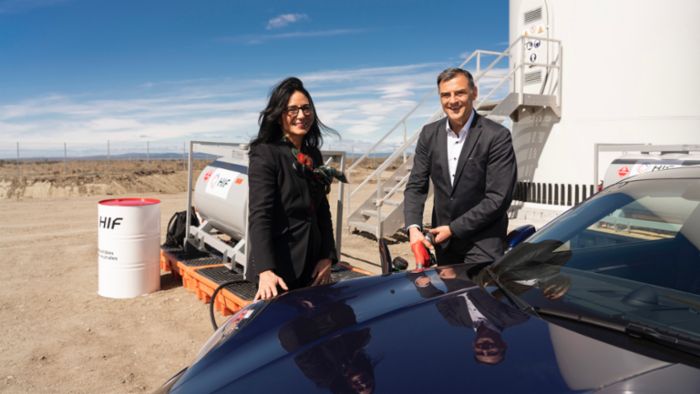 The pilot plant was the first step in the development of synthetic fuel. It was a fully operational plant that utilized water and CO2 to produce synthetic liquid fuels. The plant had been designed to demonstrate the efficiency of the new process and how it could be used to power vehicles.
By allowing the public to see and experience synthetic fuel for themselves, the pilot plant served as an important educational tool. It shed light on a new and sustainable source of fuel that could be easily accessible. The pairing of water and CO2 to produce synthetic fuel was revolutionary.
It was a highly efficient process that would enable users to create a significant source of fuel from a sustainable source. The technology behind synthetic fuel would offer several environmental benefits. It would reduce CO2 emissions, improve air quality, and significantly reduce the need for fossil fuels. The pilot plant also served as a crucial step in the development of the world’s first water-powered car.
What is Synthetic Fuel?
 Synthetic fuel is a liquid fuel that is made from water. It is created through a process that extracts CO2 from the air. The CO2 is combined with H2O to produce syngas, a mixture of CO and H that is then converted into synthetic fuels.
The key advantage of this technology is that it converts a waste product into fuel. CO2 is released during the combustion of fossil fuels, and it is considered a pollutant as it contributes to climate change. By converting CO2 into a usable product, synthetic fuel technology reduces the amount of CO2 in the atmosphere.
The technology behind synthetic fuel is very efficient, and it is possible to produce a significant amount of fuel from a limited amount of CO2. This is possible because water and CO2 are abundantly available resources. Synthetic fuel is therefore an attractive alternative for transporting goods over long distances. It has the potential to significantly reduce the need for fossil fuels and improve our overall carbon footprint.
How Does it Work?
Synthetic fuel technology works by extracting CO2 from the air. This CO2 is then combined with water to produce syngas, a mixture of CO and H that is then converted into synthetic fuels. The CO2 can be extracted from the air through a process known as carbon dioxide extraction.
This process is similar to the process used to remove CO2 from the atmosphere for the purpose of carbon capture and storage. The difference is that the CO2 is not captured for storage but rather converted into fuel.
Several different technologies can be used to extract carbon dioxide from the atmosphere. Among the most promising are chemical CO2-extraction technologies, air-breathing CO2-extraction technologies, and electrochemical technologies.
Benefits of Synthetic Fuel
 The technology behind synthetic fuel is revolutionary and offers several significant benefits. It is a highly efficient process that is able to produce a significant amount of fuel from a limited amount of CO2. It is a sustainable source of fuel that can be created from readily available water.
The pairing of water and CO2 to produce synthetic fuel is also cost-effective, making it an attractive source of fuel. The technology behind Water powered car also has the potential to significantly reduce CO2 emissions, improve air quality, and reduce the need for fossil fuels. Synthetic fuel technology could be used to power a wide range of vehicles, including airplanes and heavy machinery. Technology has the potential to change the way we transport goods over long distances.
Challenges of Synthetic Fuel
The technology behind synthetic fuel is already efficient, cost-effective, and beneficial, but it will still require some time to be fully developed. Developing the technology is a long and expensive process, and it will likely be several years before synthetic fuel is widely available.
In the meantime, educating the public about synthetic fuel and its potential benefits is important. By shedding light on this new source of fuel and showing how it can be used to power vehicles, synthetic fuel technology will be able to gain traction sooner. Some regulations will need to be addressed before synthetic fuel technology can be fully implemented.
Porsche’s Plans for the Future
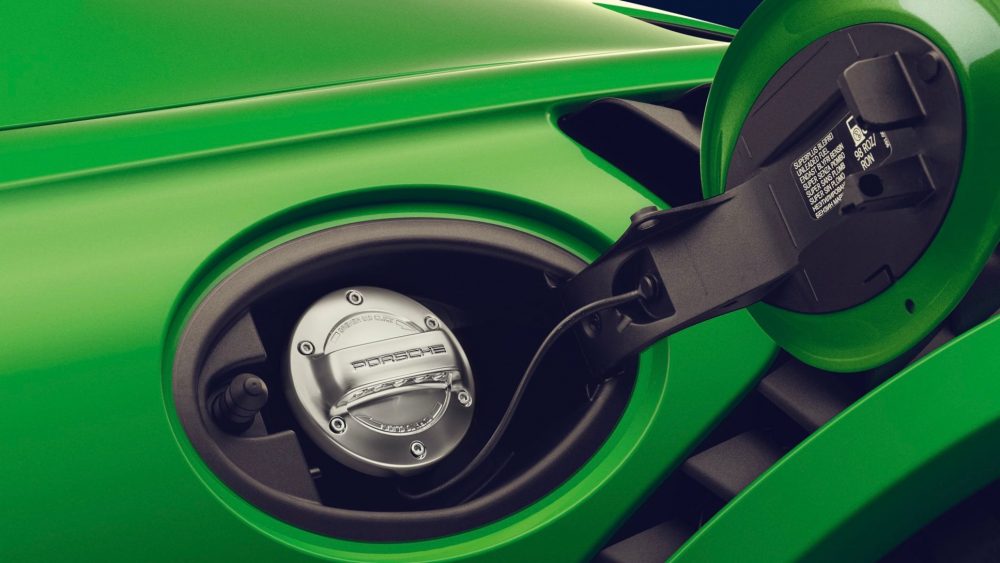 Porsche has made a significant investment in HIF Global, and synthetic fuel technology, and they are committed to seeing it through. Synthetic fuel is the first step towards a fully sustainable process. It is an attractive alternative to fossil fuels and will likely become the primary source of fuel shortly. Porsche hopes that synthetic fuel will not only power their cars and help to reduce emissions, but also help to reduce their dependence on fossil fuels.
They have taken a bold and progressive step towards a more sustainable future, and their efforts are admirable. The technology behind synthetic fuel is promising, and it will be interesting to see how it develops in the coming years.
It is a long and expensive process to develop the technology, and it will likely be several years before it is fully implemented. In the meantime, it is important to educate the public about synthetic fuel and its benefits so that it can gain traction sooner.

