GoMechanic





Car brochures in India love tossing abbreviations around as if everybody already gets them. ABS, EBD, TPMS, ESP, and right there in the middle you will spot ORVM too. Most buyers read it, nod, and move on because the deal matters more in that moment, which is understandable. Spec sheets make simple things sound fancy, and the ORVM mirror full form is one of those terms people see often but rarely stop to decode. Funny thing is, this tiny part does work every time you drive. You check it before changing lanes, while reversing out of a crowded market, and when squeezing into a parking spot. Yet owners still cannot tell you the full form or why one mirror feels basic while another folds or adjusts with a button. Most of us notice it only when it rattles, cracks, or gets shoved in by someone brushing past. That is why this blog clears all of that up without turning into a car manual. We will get into the full form, the main types, the useful features, what goes wrong, and how you can keep this part working properly without spending blindly. Small component, big daily role, and yes, the difference between a basic mirror and a feature-loaded ORVM in car is worth understanding before you buy, drive, or fix anything on it.
What is ORVM in Car and What Does ORVM Full Form Stand For?
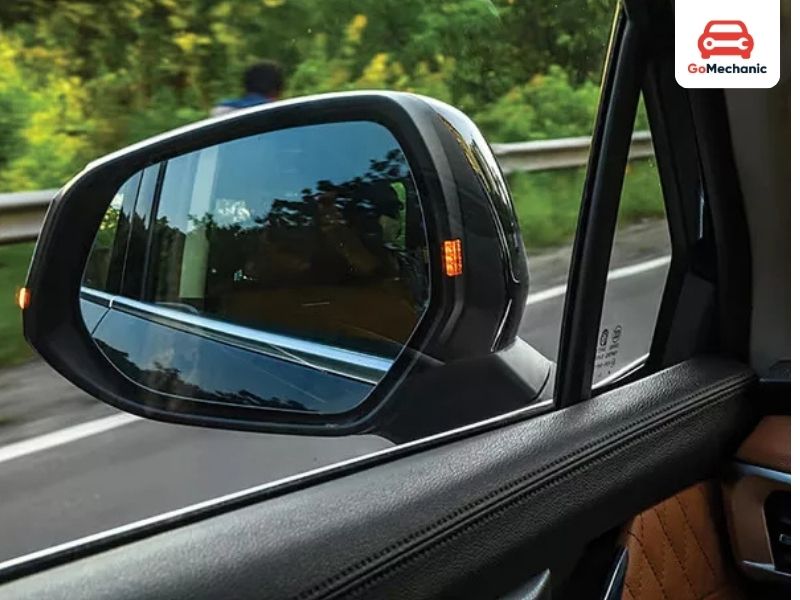
ORVM stands for Outside Rear View Mirror. And yes, it sounds more technical than the thing actually is. We are simply talking about the side mirrors mounted on the left and right of your car. Most people asking what ORVM in a car are really asking about a part they already use every day. You look at it before overtaking, before merging, and before opening your door into traffic.
The reason brochures say ORVM instead of just side mirror is mostly an industry habit, nothing more. Manufacturers, dealers, and spec sheets love shortened terms because they sound neat on paper. For the owner, though, the job is simple: this mirror shows what is happening behind and beside you. A good ORVM in car helps you judge bikes filtering through traffic, cars sitting in your blind zone, and walls during parking. Once you stop treating the name like jargon, the feature becomes very easy to understand.
Now the small twist: not every ORVM is built the same, and that is where variants start changing the story. Some only adjust by hand, some adjust electrically, and some fold automatically when you lock the car. That is why the ORVM mirror full form matters less than knowing what your own mirror can and cannot do. Frankly, many buyers pay extra for a higher variant without realising the mirror itself may be one of the useful upgrades, Before spending on repairs or a new car, you should know whether your ORVM is basic, powered, heated, folding, or missing a feature you actually need.
Why are ORVMs in Cars Important?
Most drivers treat mirrors like background equipment until something goes wrong, which is odd because the ORVM in car is one of the few parts you use from the first minute of every drive to the last. You check it before moving out, while changing lanes, while reversing, and while judging whether that bike behind you is actually far enough away. On Indian roads, where space disappears without warning and somebody is always trying to squeeze through, this mirror does quiet heavy lifting all day. Miss one glance at the wrong time and a small driving moment can turn into a very avoidable mess.
A lot of owners think ORVMs are only about seeing traffic behind, but that is only half the job. A properly adjusted ORVM in car helps reduce blind spots, gives you a better sense of your car’s width, and makes parking less of a guesswork exercise. It also saves you from those silly low speed scrapes in basement parking, market lanes, and apartment gates where margins are tight and patience is even tighter. That is why experienced drivers keep checking mirrors almost without thinking, because good mirror use is not style, it is control in real time.
Then there is the money side, which people usually notice only after damage happens. A damaged ORVM in car is not always just a mirror glass replacement, sometimes the indicator, motor, folding unit, or painted cover gets affected too, and that pushes the repair bill up quickly. Higher variants make this even more expensive because the mirror assembly often carries more features than owners realise at first. When the mirror is loose, cracked, or badly aligned, the car may still run fine, but your confidence behind the wheel takes a hit almost immediately.
Types of ORVMs Found in Indian Cars
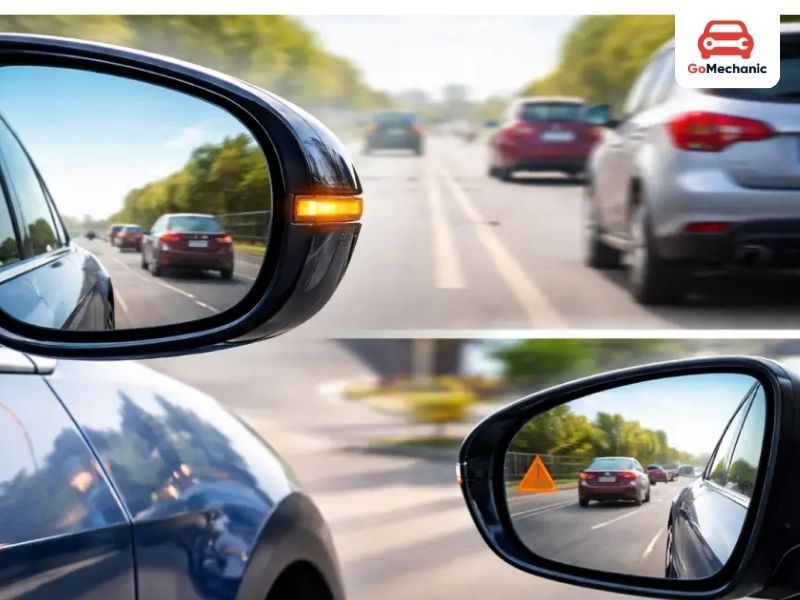
Walk through any Indian parking lot and you will notice one simple thing: not every mirror setup is doing the same job. Some cars still keep it basic, some add convenience, and some turn the mirror into a feature-packed little unit with motors, indicators, memory, and more. That is why this part is worth breaking down properly instead of just saying side mirror and moving on. The kind of ORVM in car you get often tells you a lot about the car’s segment, variant, and daily ease of use.
The main types you will usually find are:
- Manual ORVMs – These are adjusted by hand and folded by hand. Common in older cars and lower variants.
- Electrically adjustable ORVMs – You control the mirror angle with a switch from inside the cabin. Much easier for daily use.
- Electrically folding ORVMs – These fold in with a button, and in many cars they also fold automatically when you lock the car.
- ORVMs with integrated turn indicators – The indicator light sits inside the mirror housing, which improves visibility for nearby vehicles and adds a cleaner look.
- Feature-loaded ORVMs – Found on higher variants and premium cars, these may include heating, memory function, blind spot alert, auto dimming, puddle lamps, or even cameras.
Manual mirrors still do the job, and plenty of people live with them without complaint. But in real Indian use, especially where family members share one car, they can get irritating quite fast. Somebody changes the angle, somebody folds it badly, somebody brushes past it in a tight lane, and now you are readjusting it again before driving off. A manual ORVM in car is simple and usually cheaper to repair, but it asks more from the owner every single day.
Electric adjustment is where convenience starts feeling genuinely useful, not just fancy on paper. You sit in the driver’s seat, set both mirrors properly with a switch, and move on without twisting awkwardly or leaning across the cabin. Add electric folding to that, and the benefit becomes even more obvious in apartment parking, office basements, and crowded market roads where mirrors are the first thing to get clipped. Once you use this kind of setup for a while, the difference in daily ease becomes hard to ignore.
Then come the premium extras, and this is where people often pay for features without fully realising what they are getting. Heated mirrors help in fog or rain, blind spot alerts add a layer of warning, and memory settings are useful when more than one person drives the car often. Not every extra is equally valuable for every owner, of course, but the point is simple: the ORVM in car is no longer just a piece of mirror glass on the door. In many modern cars, it has quietly become a real safety and convenience feature.
ORVM Features Across Budget vs Premium Cars in India
A lot of buyers look at mirrors and assume they are all basically the same, just shaped a little differently depending on the car. That would be nice, but it is not how it works in the real market. The gap between a lower variant mirror and a higher variant mirror can be much bigger than most owners expect, especially once you start using the car daily. The ORVM in car often changes quietly across variants, and that change affects convenience, visibility, and repair cost more than people realise.
Here is the quick difference most buyers will notice first:
- Budget cars or lower variants: manual adjustment, manual folding, plain housing, sometimes no integrated turn indicator
- Mid variants: electric adjustment, better mirror finish, integrated indicators in many cases
- Higher variants and premium cars: electric folding, auto fold on lock, heated glass, memory function, blind spot alerts, puddle lamps, cameras in some models
In a budget car, the mirror is usually built to do the core job and nothing beyond that. You get a usable field of view, basic adjustment, and a housing that is not trying to impress anybody. That is not a bad thing, by the way, because simple mirrors are often cheaper to repair and easier to live with if you drive in rough conditions where small hits happen. But a basic ORVM in car does start showing its limits when you park often in tight places, share the car with family, or want quick, precise adjustment without stepping out or stretching across the cabin.
Mid range cars are where things start getting more practical. Electric adjustment becomes common, integrated turn indicators show up more often, and the mirror feels less like a bare minimum part and more like something designed around actual daily use. This is usually the sweet spot for many Indian buyers because you get features that help without turning a small repair into a painful bill. A mid spec ORVM in car often gives you the best balance between convenience and cost, which matters a lot once the brochure excitement is over and real ownership begins.
Premium cars and top variants push the mirror much further, sometimes more than buyers even notice during the test drive. Electric folding is the obvious one, but then you also get auto fold on lock, memory settings for multiple drivers, heating for foggy or rainy conditions, blind spot warning lights, and in some cases cameras tucked into the housing. Sounds fancy, yes, but some of these are genuinely useful on crowded roads and in basement parking where visibility can get awkward fast. A feature rich ORVM in car is not only about looking expensive, it changes how relaxed and in control the car feels when traffic gets messy.
That said, not every premium feature is worth paying for just because it appears on a spec sheet. Heating is helpful if you drive in heavy rain or fog prone areas, memory is useful if the car changes drivers often, and blind spot alerts can add confidence on highways. But puddle lamps and some decorative touches are more about feel than function, and there is nothing wrong with saying that plainly. The smarter move is to judge the ORVM in car by what you will actually use every week, not by how impressive the feature list sounds in the showroom.
How to Maintain and Fix ORVM Issues?
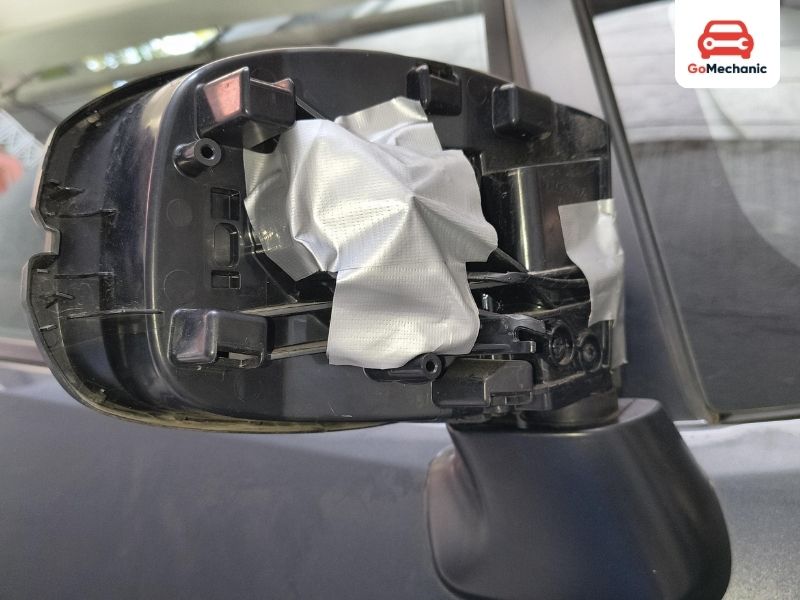
Mirror problems usually do not begin with a dramatic snap or a hanging cover. They start quietly: a slight wobble on rough roads, slow electric adjustment, a folding mirror that sounds strained, or glass that no longer stays where you set it. Most owners ignore these signs because the car still feels fine to drive, and that is exactly where the trouble begins. A small fault in the ORVM in car often gives you enough warning before it turns into a bigger repair bill, but only if you pay attention early.
The first things worth checking are:
- Loose mirror housing – If the unit shakes too much over bumps, the mounting or hinge may be weak.
- Unstable mirror glass – Glass that vibrates or shifts makes judging traffic harder than people realise.
- Slow or stuck electric adjustment – Usually points to motor, switch, or wiring trouble.
- Folding issue – If the mirror folds unevenly, clicks strangely, or gets stuck halfway, do not ignore it.
- Cracked cover or broken indicator – Looks cosmetic at first, but can let water and dust get into the assembly.
Cleaning also matters more than people think, especially because this part sits outside taking dust, rain, and careless contact all week. A lot of people wipe mirror glass with a dry cloth and end up adding fine scratches that become irritating at night when glare hits. Use a soft microfiber cloth, basic glass cleaner, and clean around the joints gently instead of rubbing hard like you are scrubbing a steel plate. If your ORVM in car has electric folding or adjustment, do not force it by hand unless the design clearly allows that, because people damage motors this way all the time and then act surprised.
When a fault actually shows up, the smart move is to figure out which part has failed instead of assuming the whole unit is finished. Sometimes only the glass needs replacement, sometimes it is the painted cap, and sometimes the motor, wiring, or turn indicator is the real issue hiding underneath. On higher variants, one hit in traffic can affect multiple parts together, which is why random roadside fixes often create more mess than relief. A damaged ORVM in car may look like a simple cosmetic problem from outside, but the real cost depends on what sits inside that housing.
A few repair situations usually come up again and again:
- Only mirror glass broken – Usually the cheapest and simplest fix.
- Housing cracked but internals fine – Cover or outer shell may be changed separately in some cars.
- Motor not working – Needs proper inspection, not guesswork replacement.
- Indicator broken – May need a separate light unit or a larger assembly change depending on the car.
- Complete assembly damage – Common after side impacts, especially in tight traffic or parking.
The good part is that not every ORVM issue demands a full replacement, and that is where proper diagnosis saves money. If the mirror becomes unsafe to trust during lane changes, parking, or reversing, then waiting longer stops being practical and starts becoming risky. This is one of those features people call small until they drive with poor rear visibility for two days and suddenly understand its value. A healthy ORVM in car should feel stable, clear, and predictable every time you drive, not like another thing you are adjusting around out of habit.
Conclusion
Funny how something you barely think about can shape almost every drive you take. The ORVM in car is not a flashy feature, and most people do not notice it until the day it gets loose, cracked, misaligned, or clipped by somebody rushing through a tight gap. But once you understand what it actually does, the full form stops mattering so much and the real value becomes obvious. This is one of those parts that quietly supports safer lane changes, cleaner parking, and a lot more confidence on crowded Indian roads.
That is also why buying a car only by engine, screen size, or brochure excitement can miss the point a little. A better ORVM in car can make daily driving easier in ways that feel small on paper but very real in traffic, basement parking, narrow colony roads, and rainy evening commutes. Electric adjustment, folding, integrated indicators, and better visibility are not just feature list decoration when you actually use the car every day. Some upgrades are nice to have, some are genuinely useful, and knowing the difference helps you spend your money with a clearer head.
Then comes ownership, which is where most small features either prove their worth or become a headache. A healthy ORVM in car should stay stable, give you a clear view, and work without drama, not rattle over bumps or leave you guessing during a lane change. If something feels off, fixing it early usually makes more sense than waiting for one bad bump or one careless side hit to turn it into a bigger repair. People delay mirror repairs far too casually, and honestly, that only feels smart until visibility drops at the wrong moment.
So yes, this may look like a small part hanging off the side of the door, but in real driving life it carries more responsibility than it gets credit for. And if your ORVM in car is damaged, loose, not folding properly, or giving you trouble with glass, housing, or electrical parts, getting it checked by a trusted service team is the sensible move. GoMechanic can help with inspection, repair, and replacement support for car mirror-related issues, so you are not left guessing what needs to be changed and what can still be fixed. Better to sort it now than keep driving around adjusting your confidence along with the mirror.
FAQ’s
What does ORVM stand for, and what is its purpose?
ORVM stands for Outside Rear View Mirror, but honestly the name sounds more complicated than the part itself. It is just the side mirror sitting outside your car on both sides, and you end up using it almost constantly without thinking about it. Lane changes, overtakes, reversing in tight spots, even opening your door in traffic, it all runs through this mirror, so yeah, small part but it carries a lot more responsibility than people give it credit for.
How does the glass in the ORVM show things behind the car?
The mirror glass reflects what is happening behind and beside your car, but it is not always flat like a normal mirror. In most cars it is slightly curved, which means it shows you a wider area, more road, more traffic, more movement, which is useful on busy roads. The catch is things can look a bit farther than they actually are, so you cannot just trust the reflection blindly, you have to read it with a bit of judgment as well.
What are some advanced features seen in modern ORVMs?
Mirrors have quietly become feature-packed over time, even though people still think of them as just glass. You now get electric adjustment, folding with a button, indicators built into the housing, heated glass for bad weather, memory settings, blind spot alerts, even cameras in some cases. Some of these are genuinely useful once you start using the car daily, some are more about convenience or feel, so it really comes down to what you will actually use, not what looks impressive on paper.
How is an ORVM different from the IRVM inside the cabin?
The ORVM sits outside on the sides and shows you what is happening behind and slightly to the sides of your car, while the IRVM sits inside the cabin and shows what is directly behind through the rear glass. Both are doing different jobs, and you actually need both working properly for safe driving. One gives you straight rear visibility, the other fills in the side awareness where most blind spots usually sit.
What should I consider when replacing my car’s ORVMs?
Do not jump straight to replacing the whole unit without checking what is actually damaged, because sometimes it is just the glass, sometimes just the cover, and sometimes something inside like the motor or wiring. Also make sure the replacement matches your car variant, because a basic mirror will not support features like electric adjustment or indicators if your car originally had them. Cheap fixes can feel smart for a day, but if the fit or visibility is off, it will annoy you every time you drive.
What routine maintenance should be done for ORVMs?
Keep it simple, just do it properly. Clean the mirror with a soft cloth, not a dusty rag that scratches it over time, check if it feels loose, see if the glass vibrates too much, and notice if electric functions are slowing down or acting strange. Most ORVM issues do not appear suddenly, they build up slowly, and people ignore them until the repair becomes bigger than it needed to be.
How do I eliminate blind spots using the ORVMs?
You cannot completely remove blind spots, but you can reduce them a lot just by setting the mirrors correctly. Do not angle them too inward showing half your car, push them outward so they cover more of the adjacent lane, that gives you better side awareness. Even then, do not depend only on mirrors, because in fast or messy traffic a quick shoulder check still saves you from things the mirror might miss.
Why are heated ORVMs used in some car models?
Heated mirrors are there for bad weather, simple as that. Rain, fog, cold mornings, the glass can get hazy enough to mess with your visibility, and wiping it manually is not always practical. A heated ORVM clears that moisture quickly so you get a clean view again, and while it may sound like a luxury feature at first, it actually makes sense in the right conditions.
What warnings do smart ORVMs provide these days?
Some modern ORVMs do more than just show traffic, they warn you about it. Blind spot alerts, side traffic warnings, indicator-based signals when something is sitting in a risky position beside you, these are the common ones now. You will usually see a small light on the mirror itself, which is helpful, but it is still support, not a replacement for your own judgment.
Can ORVMs save customised settings for multiple drivers?
Yes, in higher-end cars they can, and it becomes useful faster than you expect. If two or three people use the same car and prefer different mirror positions, memory-enabled ORVMs can store those settings and switch back with a button. It sounds like a small convenience, but once you stop manually resetting mirrors every time, you realise how much smoother it makes shared driving.